







Introduction
Climate change has become one of the most significant threats to human security in the twenty-first century. While traditionally, security has been associated with military threats and territorial protection, contemporary understandings of human security emphasise the protection of individuals and communities from threats to their livelihoods, health, food systems, and environments (UNDP, 2022). Across Africa, climate change is increasing the frequency and intensity of extreme weather events, exacerbating poverty and inequality, and undermining sustainable development efforts (IPCC, 2022).
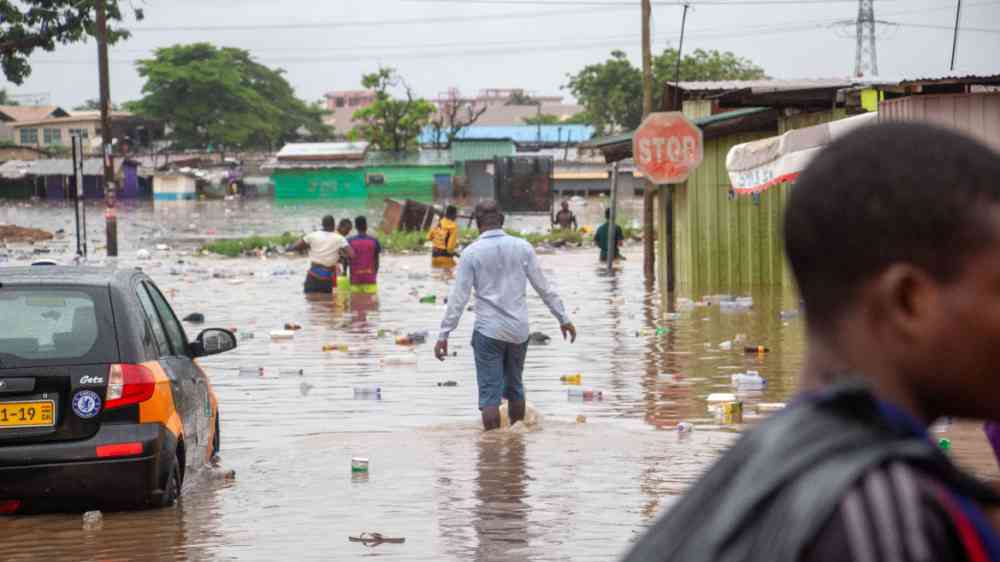
Recent flooding events in Ghana provide a stark illustration of these challenges. Following days of torrential rainfall in June, several communities in Accra and other parts of the country were submerged, leading to the destruction of homes, disruption of economic activities, and threats to human life. Such events demonstrate the growing intersection between climate change and human security in Africa.
Climate Change and Global Environmental Change
The scientific evidence linking human activities to climate change is overwhelming. According to the World Meteorological Organization (WMO), concentrations of carbon dioxide, methane, and nitrous oxide reached unprecedented levels in 2024 and 2025, with carbon dioxide concentrations attaining their highest levels in approximately two million years (WMO, 2026). These greenhouse gases trap heat within the atmosphere, creating an energy imbalance that drives global warming.
The WMO (2026) reports that the period from 2015 to 2025 represents the eleven warmest years in the modern observational record. Furthermore, more than 91 percent of the excess heat generated by greenhouse gas emissions has been absorbed by the oceans, leading to record ocean temperatures, rising sea levels, and accelerating ice melt in Greenland and Antarctica (WMO, 2026). The Intergovernmental Panel on Climate Change similarly notes that human-induced climate change has caused widespread and rapid changes in the atmosphere, oceans, cryosphere, and biosphere (IPCC, 2023).
Climate Change and Flooding in Ghana
The recent floods in Ghana highlight the local manifestation of a global climate crisis. Although flooding is not new to Ghana, climate change has increased the likelihood of extreme rainfall events. A warmer atmosphere can hold more moisture, resulting in heavier precipitation and increased flood risks (IPCC, 2022).
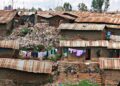
In Accra, prolonged rainfall overwhelmed drainage systems and inundated residential and commercial areas. Buildings collapsed, transportation networks were disrupted, and livelihoods were severely affected. These impacts were exacerbated by rapid urbanisation, poor drainage infrastructure, inadequate waste management, and the expansion of settlements into flood-prone areas.
According to the WMO (2026), extreme precipitation events are becoming more frequent in many parts of the world due to climate change. For countries such as Ghana, where urban infrastructure often struggles to keep pace with population growth, these climatic changes present serious human security challenges.
Human Security Implications
Threats to Life and Personal Security
One of the most immediate consequences of climate-induced disasters is the threat they pose to human life. Flooding can result in fatalities through drowning, electrocution, structural collapse, and associated disasters such as fires and landslides. Human security is fundamentally concerned with protecting individuals from such threats (UNDP, 2022).
The increasing occurrence of extreme weather events across Africa demonstrates how climate change is becoming a major driver of insecurity. In 2025 alone, severe flooding in countries such as the Democratic Republic of the Congo, Nigeria, South Africa, and Mozambique resulted in hundreds of deaths and widespread displacement (WMO, 2026).
Food Security
Climate change is also threatening food security across Africa. Agriculture remains the primary source of livelihood for a significant proportion of the continent’s population and is highly dependent on climatic conditions. Floods, droughts, changing rainfall patterns, and rising temperatures reduce agricultural productivity and increase food insecurity (FAO, 2025).
The WMO (2026) notes that climate-related disruptions are increasingly affecting agricultural production and contributing to food shortages in vulnerable regions. In Ghana, excessive rainfall and flooding can destroy crops, damage farmlands, and reduce harvests, thereby affecting both rural livelihoods and national food supplies.
Economic Security
Climate-related disasters impose substantial economic costs on individuals, businesses, and governments. Floods damage infrastructure, destroy property, disrupt commerce, and reduce productivity. The World Bank (2021) estimates that climate change could significantly undermine economic development in vulnerable regions unless effective adaptation measures are implemented.
For many Ghanaian households, flood disasters result in the loss of income, assets, and savings accumulated over many years. At the national level, repeated disasters divert resources from development projects toward emergency relief and reconstruction efforts.
Health Security
Climate change poses significant risks to public health. Rising temperatures, changing rainfall patterns, and flooding increase the spread of vector-borne and water-borne diseases (WHO, 2025). Floodwaters often contaminate drinking water sources, increasing the incidence of diseases such as cholera, typhoid fever, and diarrhoeal infections.
The World Health Organization (WHO, 2025) further notes that climate change is contributing to the spread of mosquito-borne diseases such as dengue fever, while heat stress increasingly threatens vulnerable populations and workers in sectors such as agriculture and construction.
Displacement and Migration
Climate change has become a major driver of displacement globally. According to the Internal Displacement Monitoring Centre (IDMC, 2025), millions of people are displaced annually by climate-related disasters. Across Africa, floods, droughts, and cyclones continue to force communities from their homes, creating humanitarian and development challenges.
The WMO (2026) highlights how climate-induced displacement is becoming increasingly common in fragile and conflict-affected regions. While displacement in Ghana is often temporary following flood events, repeated disasters may encourage longer-term migration and place additional pressure on urban centres.
Climate Change and Human Security Across Africa
The situation in Ghana reflects broader continental trends. In 2025, major flooding affected countries including the Democratic Republic of Congo, Nigeria, South Africa, Botswana, Madagascar, and Mozambique, causing significant loss of life and economic damage (WMO, 2026). Conversely, severe drought conditions affected parts of East Africa and the Horn of Africa, leading to food insecurity, livestock losses, and displacement.
These developments illustrate how climate change acts as a threat multiplier by exacerbating existing vulnerabilities such as poverty, weak infrastructure, food insecurity, and limited adaptive capacity (IPCC, 2022). As a result, climate change has become not only an environmental concern but also a development, humanitarian, and security challenge.
Indiscipline as a contributing factor
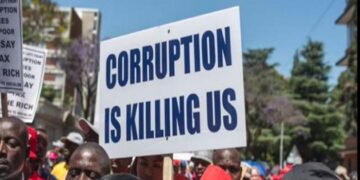
Although the effects of climate change are evident in many of the flooding disasters experienced in Accra, the severity of the situation has been exacerbated by human actions and institutional failures. Poor urban planning, the indiscriminate sale and development of wetlands, including protected Ramsar sites, the improper disposal of waste into drains and waterways, and the persistent failure to desilt and unclog drainage systems have all contributed significantly to the problem. In many of these cases, corruption has played a visible role. It is difficult to understand how municipal authorities and environmental regulatory agencies allowed private developers to encroach upon Ramsar sites and waterways and construct residential properties without effective enforcement of existing laws and regulations. Beyond climate change, the recent floods in Accra reflect a broader societal problem characterised by public indifference toward responsible waste disposal, corruption in land-use and urban planning processes, the pursuit of private gain at the expense of environmental sustainability, and the systemic failure of state institutions charged with maintaining order and safeguarding the public interest.
Conclusion
Climate change is increasingly undermining human security across Africa. Ghana’s recent flooding demonstrates how extreme weather events threaten lives, livelihoods, infrastructure, food systems, and public health. Scientific evidence from the WMO and IPCC indicates that greenhouse gas concentrations, global temperatures, ocean heat content, and sea levels continue to rise, increasing the likelihood of future climate-related disasters (IPCC, 2023; WMO, 2026).
Addressing these challenges requires investment in climate adaptation, disaster risk reduction, resilient infrastructure, climate-smart agriculture, and effective early warning systems. Ultimately, safeguarding human security in Ghana and across Africa will depend on both local adaptation efforts and global commitments to reducing greenhouse gas emissions.
References
FAO. (2025). The Impact of Climate Extremes on Food Security and Nutrition in Africa. Rome: Food and Agriculture Organization.
IPCC. (2022). Climate Change 2022: Impacts, Adaptation and Vulnerability. Cambridge University Press.
IPCC. (2023). Climate Change 2023: Synthesis Report. Geneva: Intergovernmental Panel on Climate Change.
IDMC. (2025). Global Report on Internal Displacement 2025. Geneva: Internal Displacement Monitoring Centre.
UNDP. (2022). Human Development Report 2021/2022: Uncertain Times, Unsettled Lives. New York: United Nations Development Programme.
WHO. (2025). Climate Change and Health: Global Status Report 2025. Geneva: World Health Organization.
WMO. (2026). State of the Global Climate 2025. Geneva: World Meteorological Organization.
World Bank. (2021). Groundswell Part 2: Acting on Internal Climate Migration. Washington, DC: World Bank.