








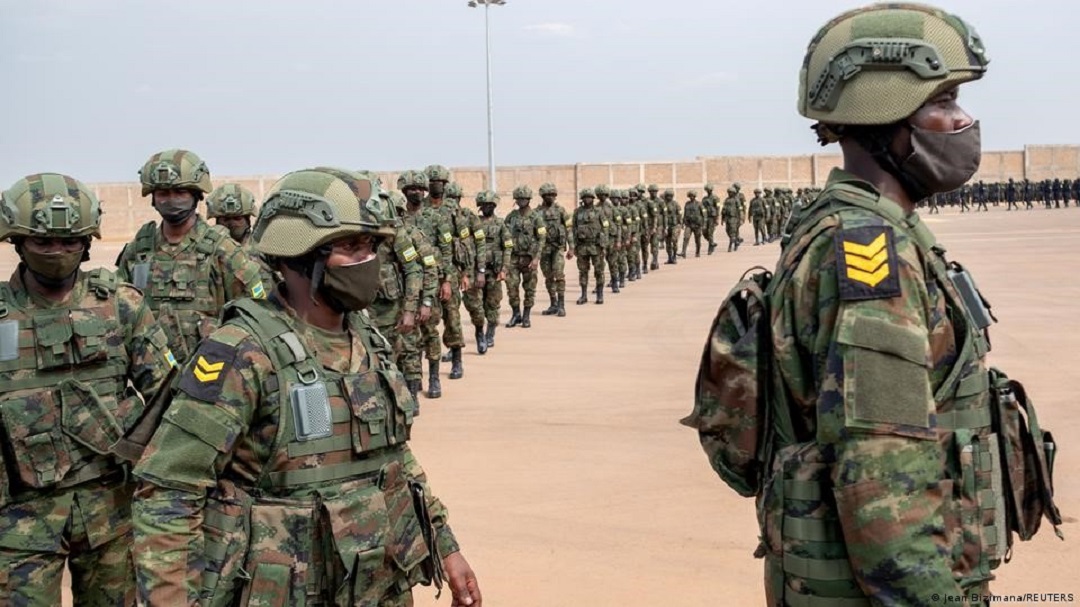
The security landscape in Africa is defined by a rapid diversification of military partnerships. Where once a few nations held a near-monopoly on foreign training and assistance, African armed forces now engage with a wide array of partners, including traditional Western allies, as well as emerging actors from Asia and Eurasia. This shift is a profound opportunity for capacity building, yet it also presents a significant strategic risk that African armies must actively mitigate: the risk of internal division and strategic misalignment driven by external, geopolitical rivalries.
The immediate imperative for African military leadership is to prevent this diversification from becoming a source of vulnerability. When officers, trained in different foreign academies and exposed to varied doctrines, begin to view their colleagues with suspicion—or, worse, align themselves within the local command structure based on the perceived geopolitical affiliation of their foreign training partner—they compromise the fundamental cohesion and unity of purpose of their national force. This is an unnecessary and self-defeating adoption of foreign geopolitical disputes, which diversifies institutional focus and resources away from pressing domestic security challenges.
The Force Multiplier of Doctrinal Diversity
African armies must view foreign training not as a relationship of exclusive affiliation, but as an advanced sourcing strategy for military knowledge. The strategic value of engaging multiple partners lies precisely in the breadth of experience and doctrine they offer.
A military trained solely within one institutional framework risks developing a monolithic, inflexible approach to complex security problems, which are inherently multi-faceted and demand adaptive solutions. In contrast, an army with personnel exposed to:
- Western Logistics and Professionalization: Providing robust institutional oversight and expeditionary support capabilities.
- Emerging Partners’ Engineering and Counter-Insurgency Tactics: Offering alternative models for infrastructure security or resource-efficient asymmetric warfare.
- Regional Best Practices: Ensuring doctrine remains grounded in local context and political reality.
Such a force gains a powerful competitive advantage. The diversity of perspectives becomes a force multiplier, enabling commanders to aggregate, filter, and synthesize these varied global lessons into a consolidated, locally relevant, and robust national doctrine. This process transforms African armies from passive recipients of foreign aid into active, discerning consumers of global military knowledge.
Reorientation: A Mandate for Strategic Integration
To harvest the benefits of diverse training without incurring the cost of foreign influence, African armies require a structured, mandatory integration process centred on two core policy levers:
- Pre-Training Review and Objective Setting:
Before an officer departs for a foreign course, the military leadership must clearly define the strategic, tactical, or technical competencies the nation expects that officer to acquire. This review frames the foreign training as a targeted mission, not a reward or a political posting, ensuring the officer remains focused on national objectives.
- Post-Training Reorientation and Doctrine Consolidation:
Upon return, a formal mechanism—such as a mandatory “Doctrine Integration Seminar” or “Lessons Learned Command”—must be instituted. This mechanism serves three crucial functions:
- De-risking Foreign Bias: It requires the returning officer to present, critique, and de-politicise the foreign doctrine, actively identifying aspects that conflict with the national strategic culture or framework.
- Knowledge Transfer: The acquired skills and knowledge must be formally codified and disseminated across the service, not siloed within one individual or faction.
- Reorientation to the Local Framework: The final objective is to reorient the officer back to the specific, locally driven mission of the African army. The officer’s value is not in their fluency in a foreign partner’s language or military custom, but in their ability to translate best-in-class concepts into the national operating environment.
By rigorously enforcing this integration and reorientation process, African armies can successfully harness the global array of training partners—Western, Eastern, or otherwise—to build resilience, enhance professionalism, and reinforce their non-aligned strategic autonomy, ensuring that their focus remains squarely on the security and development of the continent.
References
1. https://africacenter.org/spotlight/china-influence-africa-security-engagements/
4. https://africacenter.org/spotlight/militarization-china-africa-policy/