







Introduction
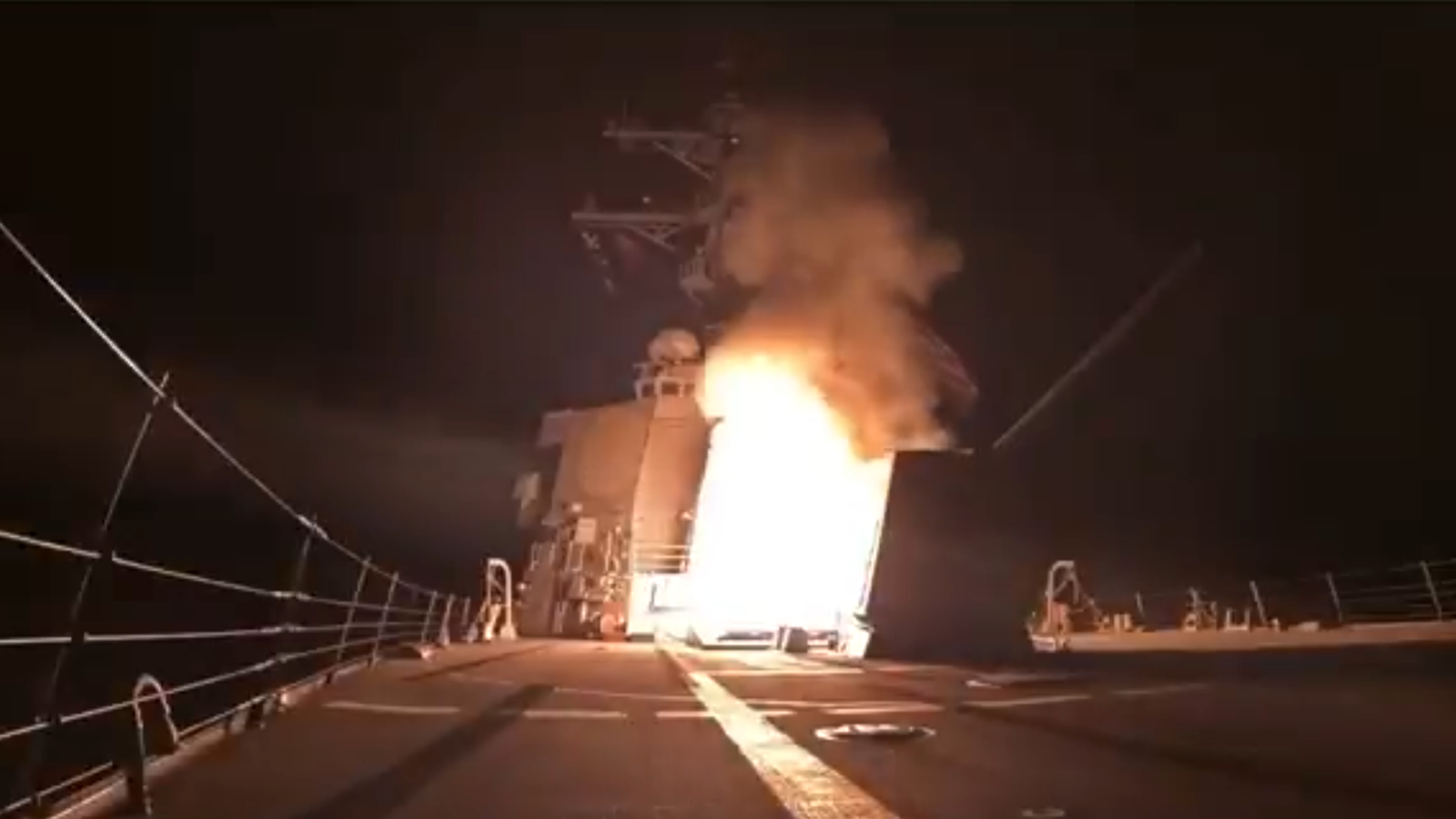
On December 25, 2025, the U.S. military conducted precision airstrikes against Islamic State-aligned militant positions in northwest Nigeria, significantly escalating counterterrorism efforts in Africa. The operation, confirmed by the U.S. Department of War and Nigerian officials, targeted camps linked to the Islamic State Sahel Province (ISSP) in Sokoto State. The strikes were allegedly authorized by the U.S. commander-in-chief and executed in collaboration with Nigerian security forces, though the legal and operational justifications have varied in official statements and media coverage (bbc.com ; pbs.org). The militant landscape in Nigeria is complex with various Salafi-jihadist factions, primarily the Islamic State West Africa Province (ISWAP) and the Lakurawa insurgents. ISWAP, linked to Boko Haram, and the Lakurawa group, associated with ISSP, are active in border regions with Niger and Mali (bbc.com ; csis.org). These factions leverage weak governance and socioeconomic issues to recruit fighters and secure territory, worsening the internal security crisis in West Africa.
U.S. officials described the strikes as efforts to protect civilians and disrupt extremist networks in northern Nigeria and the Sahel. Statements from the U.S. Africa Command highlighted strategic coordination with Abuja, while the Trump administration linked the strikes to incidents of communal violence. The Nigerian government emphasised that the violence affected all communities irrespective of faith reflecting longstanding concerns about the multifaceted nature of insecurity in the region (reuters.com).
This deployment of U.S. forces in Nigeria indicates a significant strategic shift in Washington’s approach to counterterrorism, moving beyond its traditional focus on Iraq, Syria, and East Africa. The U.S. increasingly aims to pre-emptively disrupt threats in less governed areas where jihadist groups may gain strength, driven by concerns over the implications of their entrenchment (Blanchad & Humud, 2017; cfr.org). This strategy emerges despite ongoing debates about the ability of West Africa-based groups to attack the U.S. homeland.
The recent strikes show issues regarding U.S. military engagement overseas, particularly the dynamics between counterterrorism and containment strategies. It raises concerns about potential retaliation and escalation in a region with existing insurgencies and weak state capacity, indicating that U.S. actions in Nigeria could have broader implications beyond the immediate area.
Why Nigeria Matters
Nigeria plays a pivotal role in global and regional security, being Africa’s most populous country and a significant economy. Its stability is crucial for the political order, economic integration, and counter-extremism initiatives in West Africa. However, ongoing insurgency and militant activities in the northern regions have resulted in extensive loss of life and large-scale displacement, while fostering areas of weak governance. These conditions have been exploited by extremist networks for recruitment, logistical planning, and territorial control (criticalthreats.org ; dni.gov).
ISWAP, a significant affiliate of the Islamic State, operates primarily in northeastern Nigeria and the Lake Chad Basin, engaging in complex attacks such as ambushes, bombings, and kidnappings. The potential for these groups to establish cross-border operational links to the Sahel increases the transnational threat. Nigeria’s instability, with porous borders and weakened state capacity, allows for militant movement and encourages other non-state actors to exploit governance gaps. As a key player in ECOWAS and peacekeeping efforts, any decline in Nigeria’s security impacts regional stability and collective anti-terrorism efforts (criticalthreats.org ; csis.org ; dni.org).
U.S. military engagement against extremist organizations has shifted from direct counterterrorism operations to a broader focus on containing emerging militant threats. This evolution prioritizes pre-emptive disruption in peripheral areas, recognizing that Islamist militant networks are expanding their influence beyond established theatres like Iraq, Syria, and East Africa. The December 2025 U.S. strikes in northwest Nigeria exemplifies this shift (csis.org).
The Risk of Overextension and Broader Security Implications
While precision airstrikes can yield tactical benefits against immediate threats, they also carry significant strategic risks and may have unintended adverse consequences that can exacerbate insecurity both locally and beyond the theatre of operations.
U.S. strikes in Nigeria aimed to disrupt Islamist extremist networks purportedly associated with Islamic State affiliates. However, care should be taken as Nigeria’s broader security issues stem from a combination of banditry, criminality, inter-communal strife, and weak governance rather than just jihadist ideology. Attacking groups in contested areas like Sokoto may misplace military resources and fail to tackle the underlying causes of violence, potentially undermining operational legitimacy and alienating local communities crucial for lasting security (africanews.com ; globalinitiative.net).
Also, foreign military interventions can be exploited by extremist groups for propaganda, framing external strikes as foreign aggression and enhancing narratives of resistance. This perception management can increase recruitment and support for militancy, particularly in Nigeria and the Sahel region. Historical interventions have shown that miscommunicated strikes can strengthen extremist legitimacy among disengaged communities (africanews.com).
Furthermore, precision strikes depend on high-quality intelligence and community cooperation but risk damaging trust if they cause collateral disruption, especially in ambiguous militant areas. This may lead to a withdrawal of local intelligence sources, undermining counterterrorism efforts (globalinitiative.net). In adittion, military operations conducted far from home risk strategic overreach, diverting U.S. resources if not aligned with clear objectives.
Implications for Security
The December 2025 strikes reflects deepning security collaboration between the United States and Nigeria, characterized by intelligence sharing and joint operational planning. This partnership addresses persistent terrorism within a framework of mutual interest. The cooperation may bolster multinational efforts against transnational threats, helping West African nations combat jihadist insurgencies. However, careful consideration should be taken; military actions should be paired with ongoing political and institutional engagement for effectiveness.
Nigeria is a key location for Salafi-jihadist activity, having the Lake Chad Basin becoming a major hub for insurgent activities, with ISWAP accountable for a large portion of ISIS-related attacks globally in recent years. The strikes may impede militant activities and demonstrate global commitment, but the adaptability and resilience of these groups might only lead to a dispersion of threats rather than their complete eradication (csis.org ; dni.org ; globalinitiative.net).
To add, the evolving militant threat in West Africa interacts with broader regional governance challenges in states such as Niger, Mali, and Burkina Faso. International military actions must carefully navigate fragile political landscapes, as the breakdown of regional counterinsurgency coordination has allowed militant networks to exploit security gaps. Insurgent adaptability and the mobility of fighters across Sahelian states show the interconnectedness of regional insecurity. Absent strong political solutions and enhanced institutional capacity, military interventions risk merely relocating violence without addressing its root causes.
The framing of foreign strikes affects public perceptions significantly, thus, labeling interventions as targeting specific religious groups or as foreign impositions can empower extremist narratives, portraying external actions as hostile and undermining legitimacy. This complicates counterterrorism efforts especially in contexts marked by socioeconomic grievances rather than ideology where strategic communication is as important as kinetic action (africanews.com).
It is also necessary to situate the U.S. strikes in Nigeria within the broader context of Washington’s expanding operational footprint in West Africa, which includes access arrangements and logistical hubs in countries such as Ghana under the U.S. Africa Command’s distributed basing model. Although U.S. officials emphasise that these arrangements do not constitute permanent bases, they nonetheless enable sustained intelligence, surveillance, logistics, and rapid-response capabilities across the region, raising legitimate questions about long-term strategic entrenchment (citinewsroom.com ; intellinews.com ; thetricontinental.org).
The U.S. military posture in West Africa parallels earlier interventions, especially in Venezuela, where concerns over sovereignty and external influence were prevalent. In Africa, such military arrangements may blur the distinction between partnership and power projection, particularly as issues of state oversight and public accountability remain unclear. As U.S. involvement increases, regional governments face the challenge of balancing short-term security cooperation with long-term implications for their sovereignty, strategic independence, and domestic legitimacy (citinewsroom.com ; intellinews.com ; thetricontinental.org).
Conclusion
The U.S. strikes against Islamic State-affiliated militants in Nigeria illustrate a key challenge in counterterrorism: balancing the need to contain emerging threats with the risk of escalating conflict from military intervention. While such strikes may achieve immediate disruption and show international resolve, their long-term effectiveness is questionable. Whether the threat is ultimately contained or expanded will depend on the precision, restraint, and strategic integration of force within a broader framework that prioritises local legitimacy and durable stability.
References
Blanchard, C. M., & Humud, C. E. (2017). The Islamic State and US Policy (No. CRSR43612).
https://www.criticalthreats.org/analysis/a-global-terror-threat-rises-in-nigeria?
https://www.dni.gov/nctc/terrorist_groups/isis_west_africa.html?
https://thetricontinental.org/pan-africa/dossier-42-militarisation-africa
Lukiv, J., & Okafor, M. US launches strikes against Islamic State in Nigeria. bbc.com. January 7, 2026. https://www.bbc.com/news/articles/cj69j8l918do
Madueke, K., & Ruiz-Benitez de Lugo, L. B. The implications of the US air strikes in Nigeria. globalinitiative.net.. https://globalinitiative.net/
Palmer, A., & Oppel, E. Why Did the United States Conduct Strikes in Nigeria?. Centre for Strategic & International Studies. https://www.csis.org/analysis/why-did-united-states-conduct-strikes-nigeria
Palmer, A., & Oppel, E. Why Did the United States Conduct Strikes in Nigeria?. Centre for Strategic & International Studies. https://www.csis.org/analysis/why-did-united-states-conduct-strikes-nigeria
Regional security at the brink: U.S. distributed footprint, security partnerships and sovereignty trade-offs in post-Niger West Africa. citinewsroom.com. https://citinewsroom.com/2026/01/regional-security-at-the-brink-u-s-distributed-footprint-security-partnerships-and-sovereignty-trade-offs-in-post-niger-west-africa/
US airstrikes deepen debate in Nigeria as analysts warn against quick fix. africanews.com.https://www.africanews.com/2025/12/27/us-airstrikes-deepen-debate-in-nigeria-as-analysts-warn-against-quick-fix/
Violent Extremism in the Sahel . cfr.org. https://www.cfr.org/global-conflict-tracker/conflict/violent-extremism-sahel