






Introduction: The Enduring Mirage of the Corrective Coup
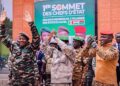
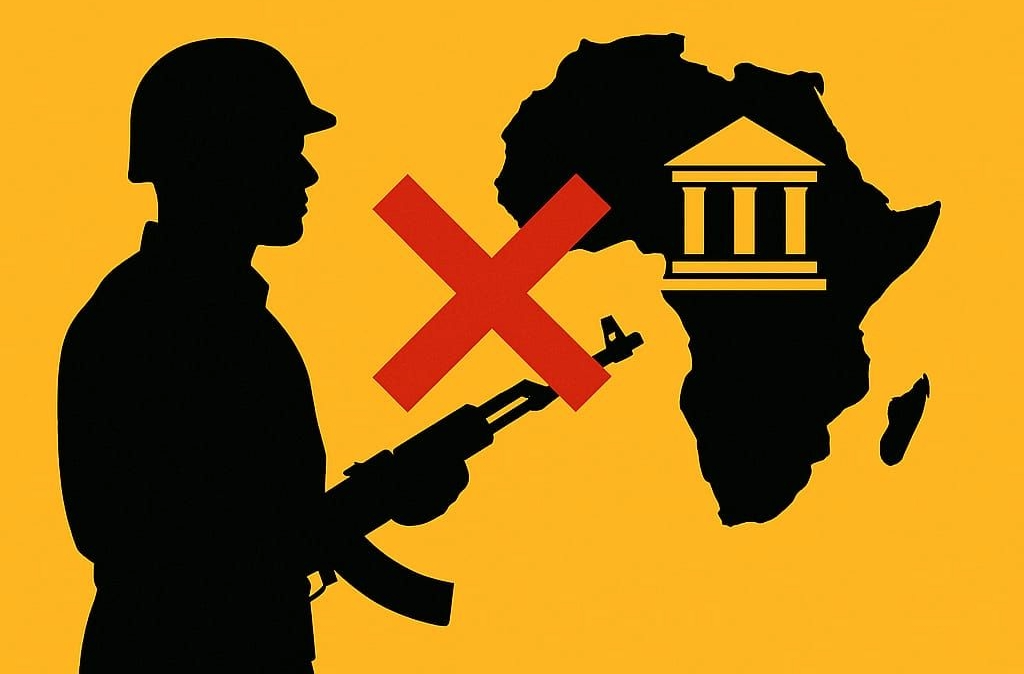
The recent wave of military coups across Africa, particularly in West Africa and the Sahel, including successful takeovers in Mali, Burkina Faso, Guinea, Niger, Gabon, Guinea Bissau and Sudan since 2020, with a recent attempt in Benin, marks a profound crisis for democratic governance on the continent. These interventions are often framed by the military leaders, or “juntas,” as a necessary “corrective mission” (Adebanwi, 2024), justified by public grievances against failed democratic rule with expectation from these military rulers to tackle the deep-seated political and socio-economic ills that civilian governments could not. However, history and contemporary evidence strongly suggest that this expectation is a “false dawn”. Military rule, by its very nature, is institutionally ill-equipped to address the underlying structural crises of governance, development, and security. By replacing flawed democracy with a centralised, non-accountable authority, juntas often exacerbate the very problems they claim to solve, leading to a “coup trap” from which genuine progress becomes increasingly difficult (Mo Ibrahim Foundation, 2022). This article seeks to argue that military regimes fail to deliver on their core promises of security and economic stability because they trade accountable governance for coercive power. This article will analyse their failure in three critical domains: Security, Economic Development, and Governance/Human Rights.
I. The Illusion of Security: Trading Democracy for Instability
The immediate trigger for many recent coups, particularly in the Sahel (Mali, Burkina Faso, Niger), was the profound failure of elected governments to contain escalating jihadist insurgencies (Ousmane, 2025). The military steps in, claiming national security as its mandate, yet the post-coup reality demonstrates a complete worsening of the security landscape.
The Security Paradox
The core contradiction is that the institution is failing to secure the state; thus, the military is placed in charge of running it. However, the opposite happens with the security situation in coup countries, often deteriorating rapidly.
Mali and Burkina Faso: In both nations, the security situation worsened significantly following the successive coups. The jihadist groups, such as Jama’at Nusrat al‑Islam wal Muslimin (JNIM) and Islamic State in the Sahel Province (IS-Sahel), have expanded their territorial control (Ousmane, 2025). In Burkina Faso, militants now reportedly control over 40% of the territory, with fatalities linked to militant violence nearly tripling in the three years since the first coup (BTI Transformation Index, 2024; Horn Institute, 2025).
The ‘Force-Only’ Approach: Juntas tend to prioritise coercive, kinetic military solutions while sidelining the socio-political approaches necessary for counter-insurgency (Ousmane, 2025). This has led to mounting allegations of human rights violations by the armed forces and allied paramilitary groups (like the Russian Wagner Group in Mali), which alienates civilian populations and drives local support toward the insurgents (Freedom House, 2023).
In essence, military rule replaces a democratic government struggling with security with a military regime struggling even more severely, all while sacrificing the rule of law and political freedoms.
II. Economic Stagnation: Coercion Versus Development
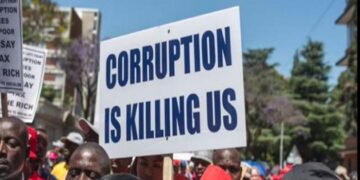
The second major justification for coups is the economic hardship stemming from corruption, mass unemployment, and poverty (Adesiyan, 2023). Military rulers promise to “clean up” the government and deliver developmental dividends. However, their centralised, non-transparent nature is fundamentally counter-productive to sustainable economic growth.
The Militarisation of the Economy
Increased Corruption and Lack of Accountability: Military regimes inherently lack accountability and transparency, making them highly susceptible to kleptocracy (Adetiloye & Adekunle, 2013). Power is centralised, and the military junta is not accountable to any institution or organ, creating a fertile environment for the abuse of public resources and corruption to soar (IIARD, 2025). Research indicates that corruption levels under military rule are frequently higher than they were when they took office (ResearchGate, 2023).
Economic Isolation and Disruption: Coups trigger immediate regional and international sanctions, disrupting trade, aid flows, and investment. Mali, Burkina Faso, and Niger formally left the Economic Community of West African States (ECOWAS) in early 2024, citing a lack of solidarity in their fight against terrorism (Horn Institute, 2025). This break further complicates economic integration and regional trade, impacting the ability to move goods and manage inflation.
While some post-coup economies like Burkina Faso have shown surprising resilience in specific sectors like gold mining, pervasive poverty and high vulnerability to shocks remain, with the country ranked low on the Human Development Index (World Bank, 2025). The overall economic environment is unstable, with insurgents targeting key economic infrastructure, such as oil tankers and transit routes in Mali (Horn Institute, 2025).
The military’s preference for centralised control over economic affairs and its alienation of international partners ultimately diverts scarce resources away from civilian sectors and undermines long-term institution-building required for genuine development (Schofield, 2007; JOPD, 2024).
III. The Suppression of Governance and Human Rights
Perhaps the most damaging impact of military rule is the suspension of constitutional governance and the immediate curtailment of fundamental rights, the very rights that allow citizens to hold power accountable.
The Authoritarian Turn
Military rule is characterised by the replacement of democratic governance with a centralised, authoritarian authority under military command (Alagappa, 2023). This results in a swift regression on human rights and the rule of law:
Suppression of Civil Liberties: In junta-led states, civil liberties are suppressed, press freedom is limited, and fundamental human rights are restricted (IIARD, 2025). Mali, Burkina Faso, and Niger have seen a dramatic decline in democratic freedoms. International and local media outlets have been suspended (e.g., France 24 and RFI in Niger), critical journalists have been harassed or detained, and peaceful protests have been violently dispersed (Freedom House, 2023; Ousmane, 2025). In Guinea, security forces have repeatedly prevented and attacked people protesting the continued military rule.
The Interruption of Institution Building: The uproar for military rule, while understandable due to frustration, ultimately represents a refusal to face the arduous task of institution building (Council on Foreign Relations, 2024). Military rule abolishes the space for political debate, civil society oversight, and legislative due process, replacing laws with decrees and edicts. This authoritarianism prevents the necessary evolution and strengthening of democratic institutions, perpetuating the very institutional weakness that facilitated the coup in the first place (Diamond, 2010).
The long-term consequence is an environment where dissent is criminalised, civil society is weakened, and the chances of a smooth, legitimate return to civilian rule diminish with every year the junta remains in power (Freedom House, 2023).
IV. The Historical Precedent
A Century of Failed “Corrective” Regimes
The era of post-independence military coups (particularly the 1960s and 1970s) saw most military regimes fail to move their nations into a state of national construction (ResearchGate, 2023).
Political Performance: Studies have consistently concluded that the performance of military governments is significantly weaker than that of civilian governments across key indicators, including the level of legitimacy, the reduction of violence, and responsiveness to popular desires (ResearchGate, 2023).
The Viner Study (1991): Based on Freedom House data, this study found that 94% of military governments were categorised as tyrannical regimes lacking even the most basic civil liberties. The contemporary African junta, therefore, is not an exception but a re-run of a failed script. The leaders of the recent coups in Mali and Burkina Faso, for instance, were themselves part of the military establishment that had failed to contain the insecurity under their civilian predecessors, yet they now expect different results simply by occupying the presidential palace.
Conclusion: Escaping the Coup Trap
The initial popular euphoria for military takeovers in Africa is rooted in a legitimate and profound disappointment with corrupt, insecure, and increasingly authoritarian civilian leaders. However, military rule, in its attempt to provide a quick fix, represents a dangerous step backwards, replacing a flawed means of accountability (democracy) with virtually none (autocracy). The evidence from the Sahel and West Africa demonstrates that the “false dawn” of the military coup does not deliver on its core promises, but rather, security deteriorates, economic stability is undermined, and governance collapses as human rights are suppressed and the essential institutions required for a state to learn, adapt, and build resilience are dismantled.
The path out of Africa’s structural crises is not found by exchanging one group of unaccountable elites for another. It is through the task of institution building (Council on Foreign Relations, 2024) strengthening judicial independence, ensuring press freedom, fostering genuine political competition, and, most critically, enforcing accountability for security sector performance, economic management, and constitutional integrity. Until the drivers of popular discontent are addressed through legitimate, democratic means, the seductive but ultimately ruinous cycle of the military “corrective mission” will continue to plague the continent.
References
Adebanwi, W. (2024). Military Rule and Democratic Fragility in Africa. Oxford University Press.
Adetiloye, K., & Adekunle, A. (2013). The Military and Political Corruption In Sub-Saharan Africa. ResearchGate.
Alagappa, M. (2023). Military Regimes and State Power in Africa. Cambridge University Press.
BTI Transformation Index. (2024). Burkina Faso Country Report 2024. Retrieved from BTI Project website.
Council on Foreign Relations. (2024). The Case Against Military Rule. CFR Blog.
Diamond, L. (2010). The Rule of Law and the Failure of Democracy. Journal of Democracy, 21(2).
Freedom House. (2023). A Surge of Military Coups in Africa Threatens Human Rights and the Rule of Law.23
Horn Institute. (2025). Why Burkina Faso and Mali Face the Dual Risk of Jihadist Insurgency and Coup.
IIARD. (2025). Resurgence of Military Rule in Africa: A Threat to Democratic Consolidation and Sustainable Development in Nigeria. Journal of Political Science and Public Law Research.
Mo Ibrahim Foundation. (2022). Highlighting the Risk of Trading Off Development for Security, the Rule of Law and Rights.
Ousmane, S. (2025). West African juntas are undermining human rights.24 ROAPE.
ResearchGate. (2023). The Military and Political Corruption In Sub-Saharan Africa.
Schofield, C. (2007). The Impact of Militarization on Governance and Democracy in African Countries. Journal of Political Discourse.
Singh, S. (2022). Military Rule in the 21st Century. International Security Journal, 47(1).
World Bank Group. (2025). Burkina Faso Country Profile.