







Introduction
West Africa has some of the highest levels of internal and regional mobility in the world. ECOWAS’s 1979 Protocol on Free Movement of Persons, Right of Residence and Establishment allows citizens of member states visa-free movement across borders. However, gaps in implementation have left many migrants operating outside formal systems, without documentation or protection (Adenipekun, 2025; Yeboah et al., 2021).
This is particularly worrying, given that the systems and processes that should engender electronic verification of individuals across the region are either not in place or not utilised.
This raises critical concerns. Why is irregular migration so prevalent in the region, and why is it that informal migrants are able to integrate into coastal economies so easily? What are the security agencies doing about this and how has this incidence been analysed and categorised in terms of security threats?
These issues are of particular concern to CISA analysts, following the publication of a report indicating that the most visible child beggars on the streets are not Ghanaian children, and often collect these monies to feed a system that transfers these resources all the way back to some Sahelian countries, such as Niger and Mali. These questions are of particular relevance in the wake of the publication.
Migration Patterns within ECOWAS
- Scale and Dynamics of Regional Migration
Migration within ECOWAS is overwhelmingly intra-regional. United Nations estimates suggest that Africa’s migrant population grew from 12 million in 2015 to 15 million in 2024, and about two-thirds of West African migrants move within the region (Africa Center, 2025; Klöpf et al., 2025).
In Ghana, the top origin countries for migrants are Nigeria (28.4 %), Togo (22.3 %), and Burkina Faso (17.3 %), with significant participation in urban informal economies (Ghana Statistical Service, 2023 cited in Dzotsi & Asamoah, 2025).
- Irregular Cross-Border Movement
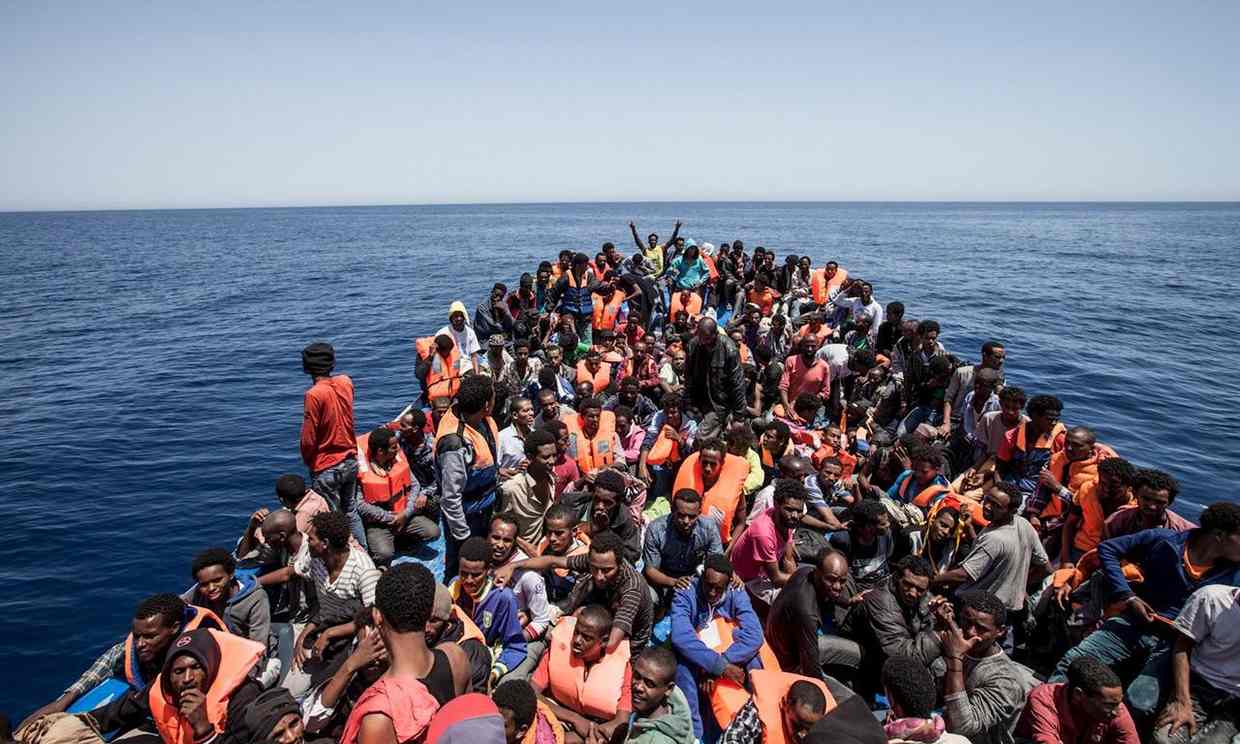
A high proportion of cross-border migrants enter Ghana through unapproved routes and lack formal documentation. Research shows that itinerant immigrant retailers — often from Burkina Faso, Niger, Togo, and Nigeria — are more likely to migrate irregularly, influenced by socio-economic pressures and migration policies (Dzotsi & Asamoah, 2025; Yeboah et al., 2021). Discussions with some Ghanaian travelers within the region indicate that migrants from Niger have changed their route to Ghana and are entering through Togo. It has become coordinated to allow new entrants to lodge with their countrymen before final integration into the country.
- Overburdening the Regular Migration Patterns
The regular migration patterns indicate that many West African migrants traverse the region and use the 90 day visa free stay to undertake businesses without proper documentation. This ensures that they do not pay any taxes as they are not registered to do so. Furthermore, on the expiration of the 90 day stay, they leave the country for a few days and return to begin another 90 day sojourn which is allowed. Vehicles, particularly those in Ghana are never registered as Ghanaian vehicles and keep being driven over the border to facilitate easy mobility between countries.
Selected Intra-Regional Migration from Selected African Countries
| Destination Country | Top Origin Countries | % of Migrant Population from ECOWAS | Dominant Employment Sectors | Notes |
| Ghana | Nigeria, Togo, Burkina Faso | ~75% | Informal trade, transport (okada), construction, food vending | High urban concentration (Accra, Kumasi) |
| Nigeria | Niger, Benin, Ghana | ~60% | Trade, artisanal mining, transport | Large informal urban absorption |
| Côte d’Ivoire | Burkina Faso, Mali | ~80% | Agriculture (cocoa), trade | Longstanding migration corridor |
| Senegal | Guinea, Mali | ~65% | Fishing, petty trade | Circular migration common |
| Burkina Faso | Mali, Niger | ~50% | Agriculture, livestock | Transit & origin country |
Source: Compiled from UN DESA migration stock data (2023), IOM West Africa Mobility Reports (2022–2024)
Informal Economy and Migrant Livelihoods
Engagement in Informal Sectors
Migrants from Mali, Burkina Faso, and Nigeria commonly participate in informal economic activities such as motorcycle taxi operation (okada), street vending (e.g., food and produce), and small retail services. These sectors typically require low capital investment, no formal credentials, and flexible labour participation. Although detailed occupational statistics by sector are scarce, many studies note that low-skilled migrants are disproportionately represented in informal trades (Yeboah et al., 2021).
Occupational Concentration of Migrant Workers in Coastal West African States
| Occupation | Typical Origin Countries | Capital Requirement | Regulatory Status | Security Risk Evidence |
| Motorcycle Taxi (Okada) | Nigeria, Burkina Faso, Mali | Low–Moderate | Often partially regulated | No evidence of inherent radicalization link, but could be very high if radicalised |
| Onion/Produce Trade | Niger, Burkina Faso, Mali | Low | Informal cross-border trade | Economic-driven migration |
| Street Food/Khebab Vendors | Nigeria, Mali | Low | Municipal licensing varies | No occupation-specific risk evidence. Could be dangerous if radicalized as they are integrated into local communities |
| Construction Day Labour | Multiple ECOWAS states | Low | Informal contracts | Vulnerable to exploitation |
- Economic Contribution vs. Vulnerability
It has often been said that informal workers — including migrants — play an important role in urban economies by providing accessible transport and goods. However, they often lack regular employment contracts, social protection, and access to services, making them vulnerable to economic shocks and exclusion (Dzotsi & Asamoah, 2025). While this is the case, there has been incidents of such informal workers in Ghana, acquiring citizenship ID cards that make them Ghanaian citizens to access benefits. This undermines the economic planning imperatives and the models that underpin budgeting. Consequently, coastal states have seen pressures on health services, education infrastructure and housing, further exacerbating the vulnerability of improperly documented migrants.
Governance Gaps and Security Concerns
- Free Movement and Regulation Challenges
While ECOWAS’s free movement protocol aims to facilitate regional labour mobility, weak border systems, lack of harmonised documentation, and limited data sharing complicate governance. Some research argues that these gaps have been exploited by criminal networks and smuggling operations, creating security concerns for member states (Adenipekun, 2025).
- Migration and Security Framing
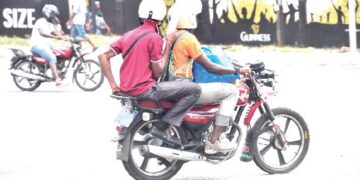
There is a tendency in public and policy discourse to associate uncontrolled migration with security threats. This perception is supported by instability in AES countries with fears of militants hiding among fleeing refugees. While it is known that migration across West Africa is largely economic, the retention of strong ties with communities of origin is concerning. (Tafani et al., 2025). Contagion easily ensues, and radicalisation could be very dangerous for host countries. It is known in Ghana for instance, that okada operators in Osu and Achimota (both suburbs within the capital) are from Nigeria, Burkina Faso and Niger. Their wide knowledge of the city therefore could be dangerous if they become part of a group that aims to conduct attacks and bombings.
- Drivers of Vulnerability to Extremism
Our concern at CISA is that radicalisation will occur given the challenges of the Sahel region. Radicalisation correlates with prolonged conflicts and ineffective state presence as is the case in large swathes of the Sahel. More importantly, economic exclusion, lack of opportunity for young people, weak governance and poor societal cohesion breeds forced migration and radicalisation. The African Journal of Stability and Development highlights that poorly regulated movement can be exploited by criminal networks, particularly smuggling and trafficking (Adenipekun, 2025).
Comparative Governance Capacity Indicators (Selected ECOWAS States)
| Indicator | Ghana | Nigeria | Burkina Faso | Mali |
| Political Stability Index (World Bank est.) | Relatively High | Moderate | Low (recent coups) | Low |
| Border Porosity | Moderate | High | High | High |
| Urban Informal Employment (%) | ~70–80% | ~80% | ~85% | ~80% |
| Violent Extremism Activity | Limited (north risk zone) | Present (north-east) | High (Sahel region) | High (northern/central regions) |
Policy Implications
- Formalising Mobility and Labour Rights
ECOWAS’s new Labour Migration Strategy (2025–2035) aims to regularize mobility, strengthen worker protections, and recognize skills across borders, which could reduce informal vulnerabilities (ECOWAS Commission, 2025). State parties to the ECOWAS protocol need to work together to ensure its effective implementation, particularly on effective documentation on citizens traversing the region.
- Enhancing Social Integration
Policies that enable migrants to access legal status, health care, and education can foster social inclusion and reduce the conditions that extremists exploit for recruitment. It is particularly important to ensure that integration is predicated on effective legal systems that support law abiding citizens and punishes impunity, criminality and disruptive behaviour.
- Regional Cooperation for Security
The issue of regional cooperation cannot be stressed enough. Addressing insecurity across the region requires that states must work together to address the common challenges that illegal migration engenders. It is important to note that although the Sahel has left ECOWAS, happenings in the region affects littoral states. The Sahel therefore needs to work to ensure coordinated regional measures that target root causes of extremism in that part of West Africa.
Conclusion
Unregulated migration and participation in informal sectors are defining features of West African rural and urban economies. Migrants from countries such as Mali, Burkina Faso, and Nigeria make significant economic contributions in destinations like Ghana. While governance gaps can produce vulnerabilities — and uneven regulatory practices do create challenges for public order, efforts must be made to ensure that these gaps do not lead to radicalisation and increased criminality. Addressing informalisation and security risks requires inclusive governance, and effective implementation of regional policies that support livelihoods while strengthening social cohesion.
References
Adenipekun, L. O. (2025). Security implications of free movement for countries of the Economic Community of West African States. African Journal of Stability and Development.
Africa Center. (2025). African migration trends to watch in 2025.
Dzotsi, K., & Asamoah, E. (2025). Remittances, food insecurity, and coping strategies of West African migrants in Accra, Ghana. Global Food Security.
ECOWAS Commission. (2025). ECOWAS regional labour migration strategy and action plan (2025–2035).
Klöpf, T., Scheven, C., Vorhold, P. et al. (2025). Researching migration in West Africa: A systematic and reflexive review. Comparative Migration Studies.
Tafani, I., Ali, O., Prieto-Curiel, R., & Riccaboni, M. (2025). Most Western African migrants remain local and travel short distances.
Yeboah, A. K., et al. (2021). Free movement and regional integration in the ECOWAS sub-region. In Labour Migration Studies.