








Introduction
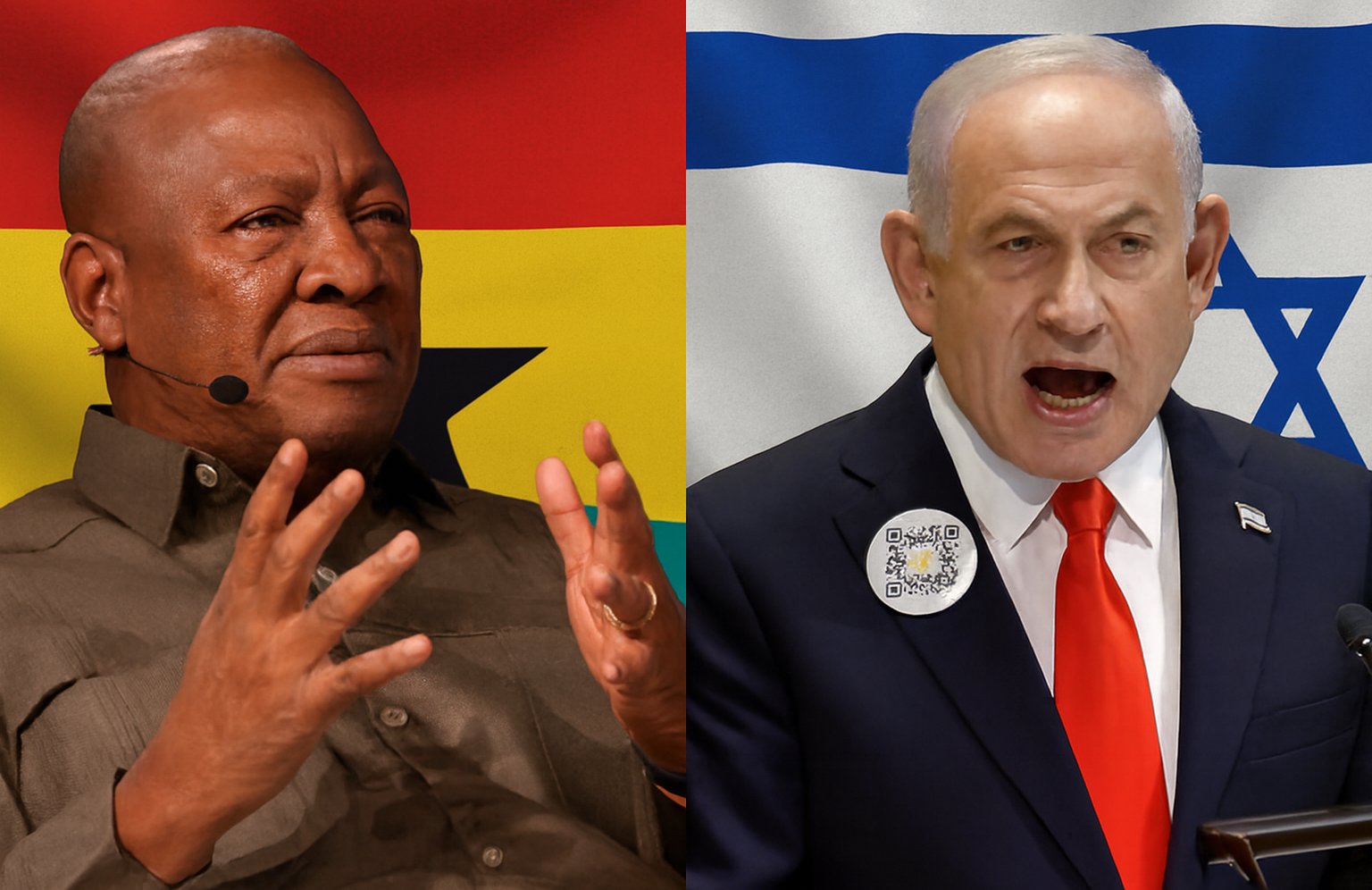
Diplomatic relations often face stress when citizen treatment abroad is perceived to clash with expectations of state sovereignty and dignity. In early December 2025, diplomatic tensions erupted between Ghana and Israel after several Ghanaian travellers were detained and partly deported by Israeli authorities upon arrival at Tel Aviv’s Ben Gurion International Airport. Ghana responded with a formal protest and the deportation of three Israeli nationals in an apparent act of reciprocity (Africanews, 2025; Ghanaian Chronicle, 2025). This incident, though brief, disrupted historically cordial Ghana–Israel relations and raises important questions about consular practice, state behaviour, and diplomatic crisis management.
CISA believes that this incident will shape how Ghana relates with all states going forward and is analysing it within the contexts of consular diplomacy, reciprocity in international relations, and the politics of state sovereignty over immigration control. It is important that such actions are examined relative to causation, diplomatic impacts, and implications for bilateral and global diplomatic practice. CISA proposes policy recommendations to strengthen diplomatic mechanisms and avoid similar diplomatic rows in the future.
Background
Ghana and Israel have maintained diplomatic ties for decades. Relations have traditionally included cooperation in areas such as technology, trade, security, and education. However, the diplomatic landscape has recently become more sensitive due to broader geopolitical pressures involving Middle East conflicts and Africa-wide diplomatic recalibrations (Africanews, 2025). While not directly linked to formal policy disputes, these broader tensions provide essential context for understanding how quickly localized consular issues can escalate.
The recent Diplomatic Incident
On 7th December 2025, seven Ghanaian nationals were detained at Ben Gurion International Airport. Among them were members of a Ghanaian delegation scheduled to attend a cybersecurity conference in Tel Aviv. While all were eventually released, three travellers were deported by Israeli authorities without clear justification in the view of Ghana’s foreign ministry (Africanews, 2025; Eastleigh Voice, 2025). Ghana described the treatment as “humiliating,” “inhumane,” and beyond standard procedural norms typically associated with friendly nations. This Israeli behaviour has been standard for years, where Ghanaian travellers who first visit that nation are subjected to intensive background searches before being allowed into the country. The waiting period is uncomfortable, without water or food and access to only washrooms for a period of about 5 hours or more. While it is understood that Israel may have peculiar security challenges that require extensive background checks, this ought to have been undertaken by the Israeli authorities prior to the arrival of the individual. What exacerbated this particular incident was the disrespect shown to all the Ghanaians, particularly the Members of Ghana’s Parliament who were part of the delegation to a conference in Israel.
In response, Ghana summoned Israeli diplomatic representatives to register its protest and deported three Israeli nationals arriving in Accra as an act of retaliatory reciprocity (Ghanaian Chronicle, 2025; Africanews, 2025). Though the two sides later engaged in dialogue and agreed to de-escalate tensions, the episode marked a serious diplomatic flare-up between the two countries after decades of relatively stable relations (Africanews, 2025).
Analysis
Consular Diplomacy and Citizen Protection
Consular diplomacy focuses on the protection of citizens abroad and proper treatment by host states. Ghana’s response—protest and reciprocal deportation—signals a firm stance that consular incidents involving mistreatment can quickly escalate into broader state-to-state disputes when not managed through established channels. This aligns with a trend in international relations where states increasingly leverage diplomatic protest to defend citizens’ dignity and rights abroad. This is one of the most serious Ghanaian responses to disrespect and maltreatment of its citizens in a long time. It signals a change which CISA believes is largely supported by the generality of Ghanaians.
The Principle of Reciprocity and Sovereignty
Reciprocity is a foundational principle in international relations and international law, often guiding responses to perceived injustices or discriminatory treatment by other states. Ghana’s deportation of Israeli nationals following the expulsion of its own citizens reflects this norm and underscores how sovereign states may use balanced measures to communicate displeasure and demand equal treatment (Ghanaian Chronicle, 2025; Africanews, 2025).
Diplomatic Implications
The dispute highlights the fragility of diplomatic goodwill when procedural matters—such as airport immigration—are interpreted politically. While both governments engaged in talks to manage the fallout, the incident drew public attention and political rhetoric that could challenge future mobility and cooperation if not carefully managed. That said, de-escalation signals both states’ recognition of the strategic value of maintaining bilateral cooperation. Ghana may have more to lose economically if this spat escalates, but it would be supported by many citizens who have been critical of Israel’s treatment of Ghanaian travellers for a long time.
Recommendations for Diplomatic Practice
Based on this case, the following recommendations aim to improve international diplomatic resilience and crisis management:
- Strengthen Consular Communication Protocols: Establish dedicated channels between immigration authorities and diplomatic missions to resolve consular issues before they escalate into political disputes.
- Institutionalize Bilateral Liaison Mechanisms: Create standing committees focused on travel, security, and citizen welfare to mitigate misunderstandings and coordinate responses to consular incidents.
- Link Consular Incidents to Broad Policy Goals: While it is generally best in international relations to ensure procedural consular issues are treated independently from broader diplomatic or geopolitical disagreements, this incident shows otherwise. The treatment of citizens has a direct influence on how a government is perceived at home and acting swiftly, decisively and reciprocally may have its benefits.
- Enhance Public Diplomacy and Transparency: Provide clear, measured communication to domestic and international audiences to manage expectations and avoid unnecessary diplomatic backlash.
- Promote Multilateral Standards for Traveller Treatment: Engage with regional organizations (e.g., ECOWAS, AU) to advocate for standardized treatment of citizens abroad, strengthening norms that protect travellers from undue mistreatment.
- States (particularly African) must institute reciprocal standards for immigration just as is required of their citizens so that travel protocols between countries become standardized.
Conclusion
The Ghana–Israel diplomatic flare-up of December 2025 underscores how quickly consular matters can influence state-to-state relations, even between historically cooperative partners. This incident highlights the relevance of consular diplomacy, reciprocity, and state sovereignty in contemporary international relations. While the dispute is de-escalating, it serves as a reminder that diplomatic resilience requires robust communication mechanisms and mutual respect for citizen rights. The recommendations outlined by CISA offer pathways to strengthen international cooperation and prevent similar diplomatic disruptions in the future with all countries.
References
Africanews. (2025, December 10–11). Ghana condemns ‘inhumane’ treatment of travellers at Israel airport. Africanews. https://www.africanews.com/2025/12/10/ghana-condemns-inhumane-treatment-of-travellers-at-israel-airport/ Africanews
Africanews. (2025, December 11). Ghana hits back at Israel with reciprocal deportations. Africanews. https://www.africanews.com/2025/12/11/ghana-hits-back-at-israel-with-reciprocal-deportations/ Africanews
Eastleigh Voice. (2025, December). Ghana slams Israel after citizens detained and deported at Ben Gurion Airport. Eastleigh Voice. https://eastleighvoice.co.ke/africa/253054/ghana-protests-israel-over-detention-deportation-of-7-citizens
Ghanaian Chronicle. (2025, December 10). Ghana deports three Israelis in retaliation for mistreatment of Ghanaians. Ghanaian Chronicle. https://www.ghheadlines.com/agency/ghanaian-chronicle/20251210/169602504/ghana-deports-three-israelis-in-retaliation-for-mistreatment-of-ghanaians GhHeadlines